
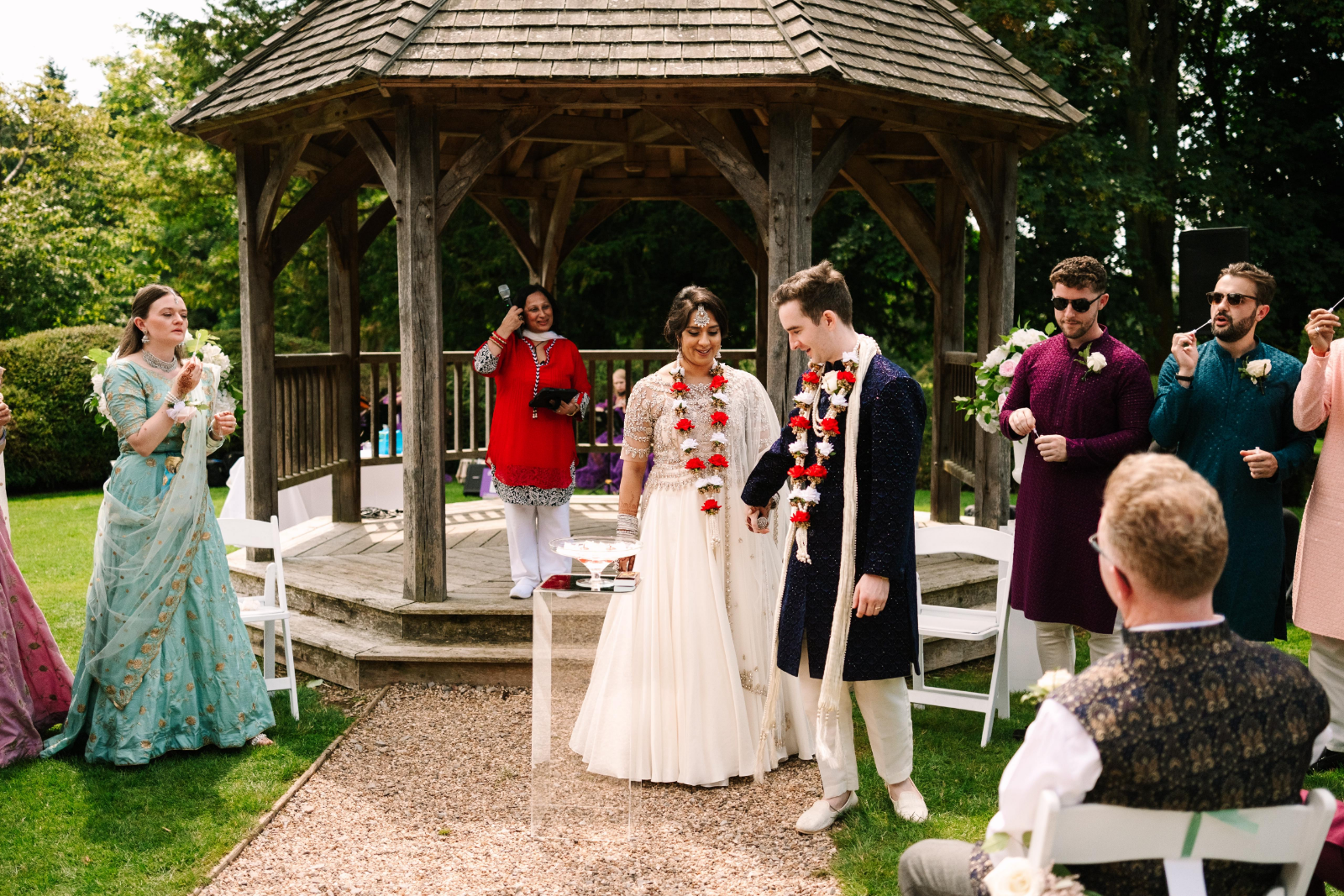
For many years, couples in the UK have faced restrictions on where and how they can legally marry. While every love story is unique, the current legal framework often means that weddings must fit into rules created centuries ago rather than reflecting the couple themselves.
That could soon change if you get involved.
On Thursday 16th July 2026, the UK Government launched a public consultation on the biggest proposed reform of wedding law in almost 200 years. The aim is to create a simpler, fairer and more inclusive legal framework that gives couples greater choice while maintaining the dignity and significance of marriage. The consultation is open until 24 September 2026, giving everyone the opportunity to help shape the future of weddings in England and Wales. Will you get involved?
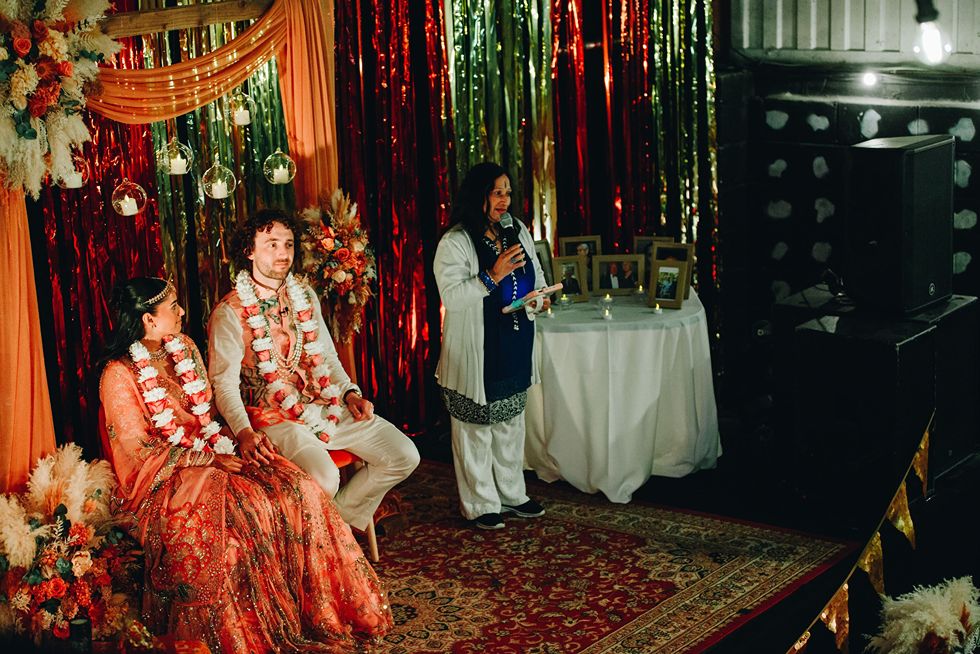
Photography Credits: Priti Shikotra Photography
Why does the wedding law need to change?
Current wedding laws are largely based on legislation dating back to the 18th and 19th centuries. Over time, society has changed dramatically, but many of the legal rules surrounding marriage have not.
As a result, some couples find they need to have two ceremonies. One reflects their beliefs, culture or personal values, while the other satisfies legal requirements.
The Government’s consultation recognises that the current system can be:
- Complicated and inconsistent
- Restrictive about where ceremonies can take place
- Less inclusive for many faiths and belief organisations
- Difficult for couples wanting a truly personal ceremony
- The proposed reforms aim to modernise the system while protecting the legal importance of marriage.
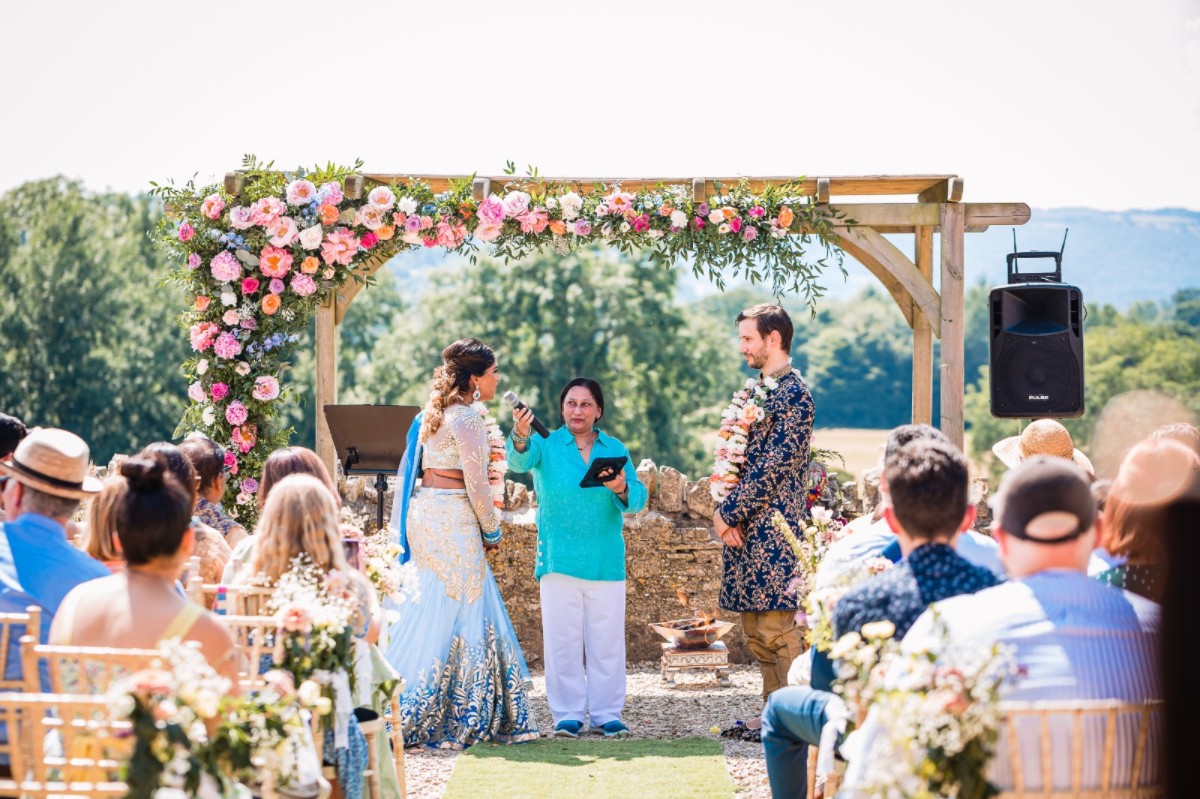
Photography Credits: How Photography
What could change for wedding law reform?
The consultation includes several significant proposals.
More freedom to choose your wedding location
Rather than limiting legal weddings to approved venues, the proposed reforms would focus on the officiant rather than the building.
This could allow couples to legally marry in meaningful locations such as:
- Gardens
- Beaches
- Forests
- Castles
- Boats and cruise ships
- Family homes
- Other suitable outdoor locations
This would give couples far greater flexibility to create a ceremony that reflects who they are. There will of course be some restrictions to ensure there are no risks and locations are safe
Greater recognition for different beliefs
The proposals would introduce a more consistent framework across different types of weddings.
Importantly, they also propose allowing recognised non-religious belief organisations and Independent Celebrants to conduct legally binding ceremonies for the first time in England and Wales.
More personalised ceremonies
The consultation also considers allowing couples greater flexibility in how they express consent during their ceremony, making it easier to incorporate traditions, rituals and cultural elements that are meaningful to them.
Stronger protections
Alongside greater flexibility, the Government is proposing stronger safeguards against forced, predatory and sham marriages.
These include:
- Modernising the notice process
- Online administration with mandatory in-person safeguarding checks
- Improved transparency
- Greater oversight of officiants
The aim is to ensure every marriage is entered into freely and with informed consent.
Why wedding law reform matters to me
As an independent celebrant, I’ve had the privilege of creating ceremonies that truly reflect each couple’s story, culture, values and personalities.
Every ceremony is different because every couple is different.
Many couples tell me they want a ceremony that feels authentic and personal, rather than one that simply follows a prescribed format. While I can conduct those meaningful ceremonies today, many still need a separate legal ceremony to satisfy the current law.
These proposed reforms could make it much easier for couples to enjoy one meaningful, legally recognised ceremony that genuinely reflects who they are.
That would be a positive step for couples, families and the wider celebrant profession.
Have your say on wedding law reform
The Government wants to hear from couples, celebrants, faith groups, non-religious organisations, suppliers in the wedding industry and anyone with an interest in the future of wedding ceremonies.
These proposals matter to each and everyone of you and now is the time to share your views
You can read the full consultation proposals here: https://www.gov.uk/government/consultations/tying-the-knot-reforming-weddings-law-in-england-and-wales/tying-the-knot-reforming-weddings-law-in-england-and-wales-consultation-document
You can submit your responses here before 24 September 2026. There are 39 questions to complete, and I would really appreciate your support with this.
Consultation Response Form: https://consult.justice.gov.uk/family-justice/reforming-weddings-law-in-england-and-wales/consultation
The future of weddings in the United Kingdom is being shaped today. Whether you’re planning your own wedding, work within the wedding industry or simply believe couples should have greater choice, a modern choice with the right safeguards in place. This is an opportunity to make your voice heard.
If you’d like to learn more about creating a personalised ceremony, you can explore my Celebrant Services and see how I help couples design weddings that are heartfelt, inclusive and completely unique.


