
TL;DR
Indian, multicultural and LGBTQ+ multicultural weddings often cost more due to multiple ceremonies, specialist venues and catering, increased planning time, rising supplier costs, professional training, insurance and experience. When planning, couples are best served by prioritising venue first, catering second, celebrant third, followed by music, entertainment and logistics.
Many couples planning Indian, multicultural or LGBTQ+ multicultural weddings find themselves asking the same question:
“Why does our wedding cost so much more than the UK average?”
The answer is not extravagance. It is complexity, responsibility and intention.
These weddings often involve multiple ceremonies, blended cultures, extended timelines, larger guest numbers and a greater need for emotional and cultural fluency from suppliers. Understanding where the costs come from allows couples to make informed, values-led decisions rather than feeling pressured or confused.
A helpful way to approach planning is to prioritise decisions in this order: venue first, catering second, celebrant third, and then music, entertainment, and logistics.
1. Cultural Complexity and Multiple Ceremonies
Indian and multicultural weddings frequently include pre-wedding events such as Mehndi, Haldi or Sangeet, alongside religious, celebrant, civil or fusion ceremonies. LGBTQ+ multicultural weddings may also involve reworking traditions to reflect identity, chosen family or non-traditional structures.
Each ceremony adds:
- Planning and preparation time
- Additional suppliers or staffing
- Cultural consultation and sensitivity
- Longer venue and supplier bookings
Key considerations:
- Which traditions are meaningful versus expected?
- Who is guiding cultural decisions with care?
- How many events can realistically be supported well?
2. Venue – The First and Most Significant Investment
Venue choice drives much of the overall budget.
Multicultural and Indian weddings often require:
- Larger capacities
- Flexible layouts
- Late licences or multi-day hire
- Experience with cultural ceremonies
For LGBTQ+ couples, the venue must also feel genuinely inclusive and safe, not merely available.
Key considerations:
- Has the venue hosted multicultural or LGBTQ+ weddings before?
- Are staff culturally informed?
- Can the space adapt to the ceremony flow and guest needs?
3. Catering – Cultural Integrity and Guest Experience
Catering is often the second-largest cost and one of the most culturally sensitive elements.
Costs increase due to:
- Specialist caterers (halal, vegetarian, vegan, Jain, fusion food)
- Multiple meal services
- Cultural preparation methods
- Larger guest numbers
Key considerations:
- Can caterers meet dietary and cultural needs without compromise?
- Is food being treated as hospitality rather than logistics?
- Are cultural expectations understood rather than assumed?
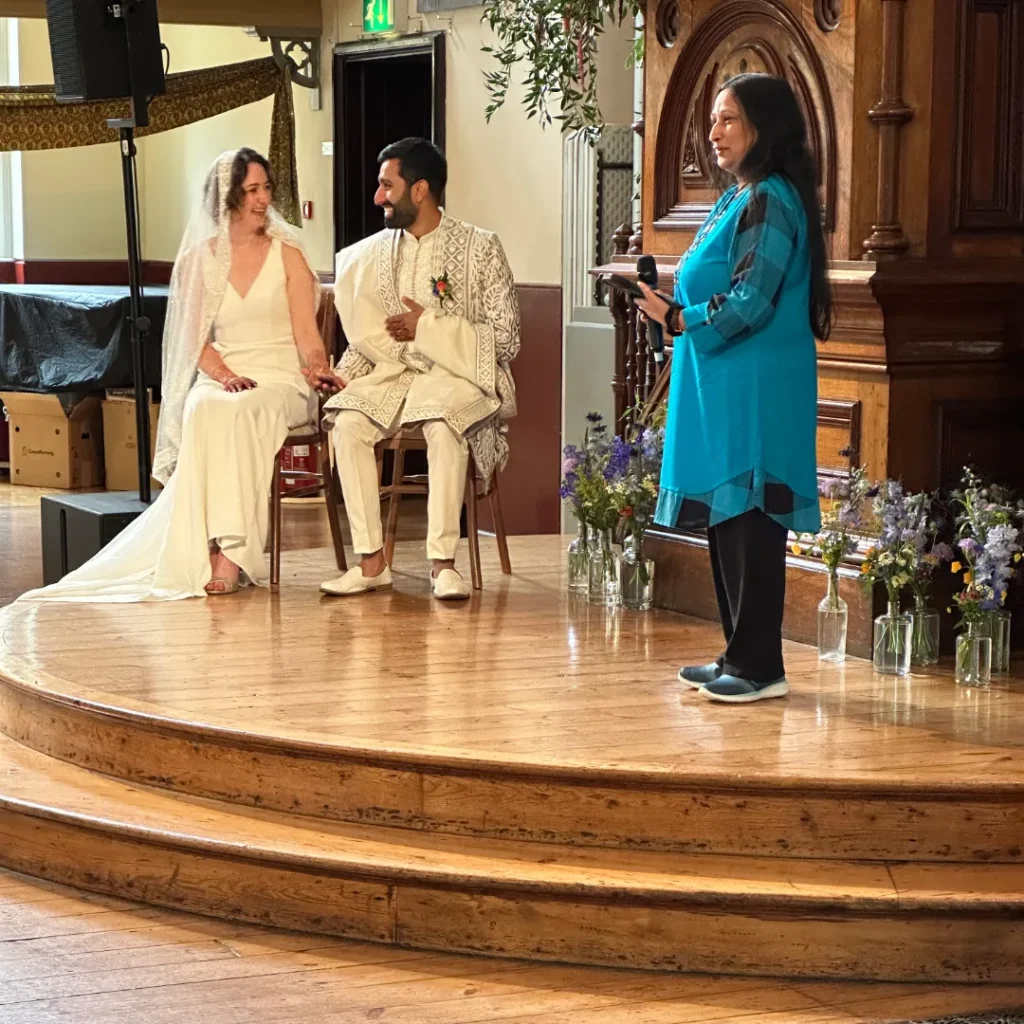
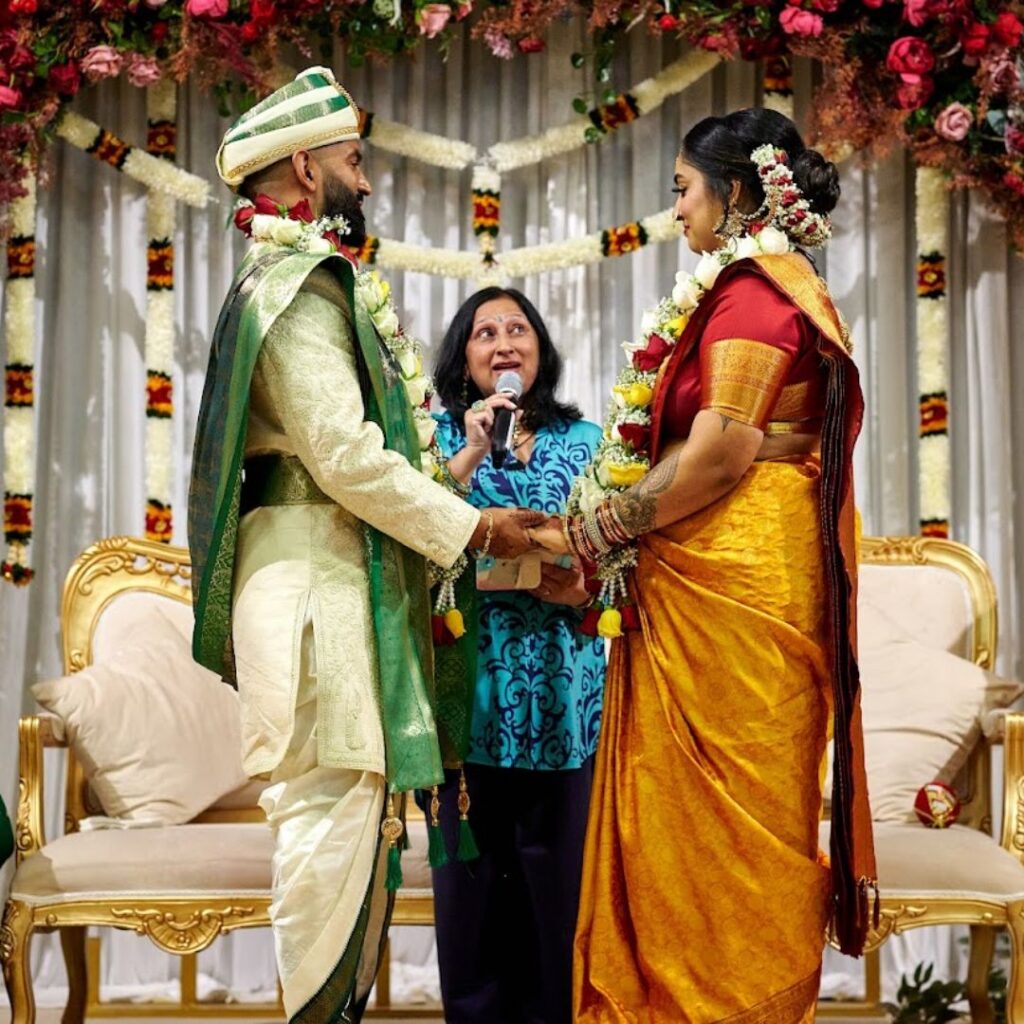
4. Choosing Your Celebrant – That Shapes Meaning
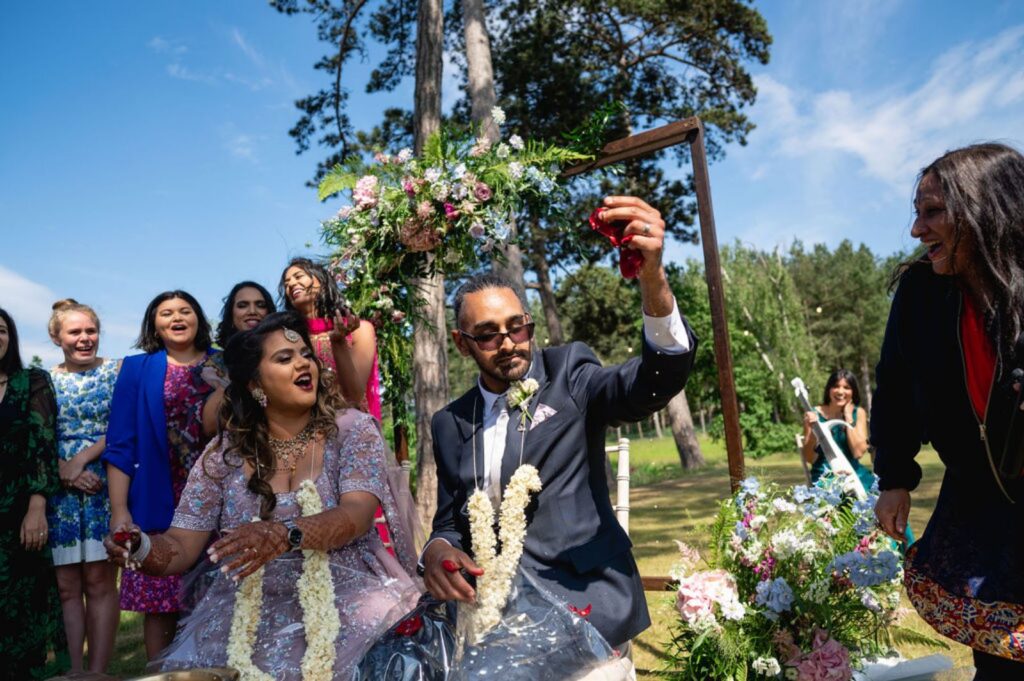
Once venue and catering are secured, choosing your Celebrant becomes a defining decision.
For Indian, multicultural and LGBTQ+ multicultural weddings, an experienced Celebrant:
- Designs non-templated, inclusive ceremonies
- Navigates interfaith and intercultural dynamics
- Communicates sensitively with families
- They bring calm leadership on the day
Professional Celebrants also carry:
- Public liability and professional indemnity insurance
- Recognised memberships and accreditation
- Ongoing training and development
- Years of lived and professional experience
Key considerations:
- Do they listen and adapt?
- Are they insured and professionally accountable?
- Do they understand identity, not just ceremony scripts?
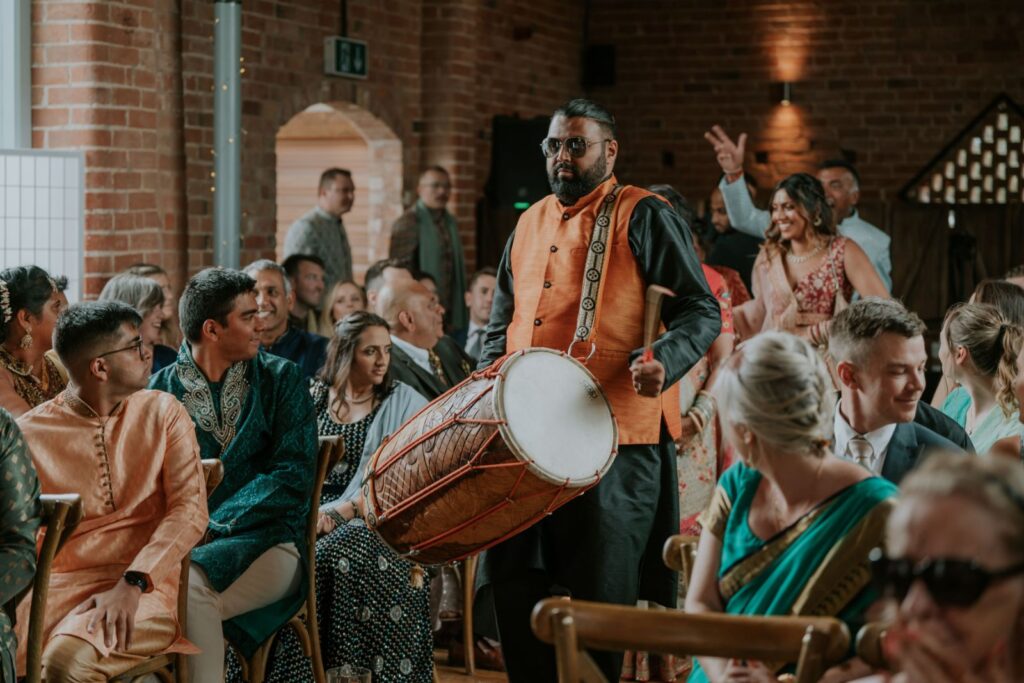
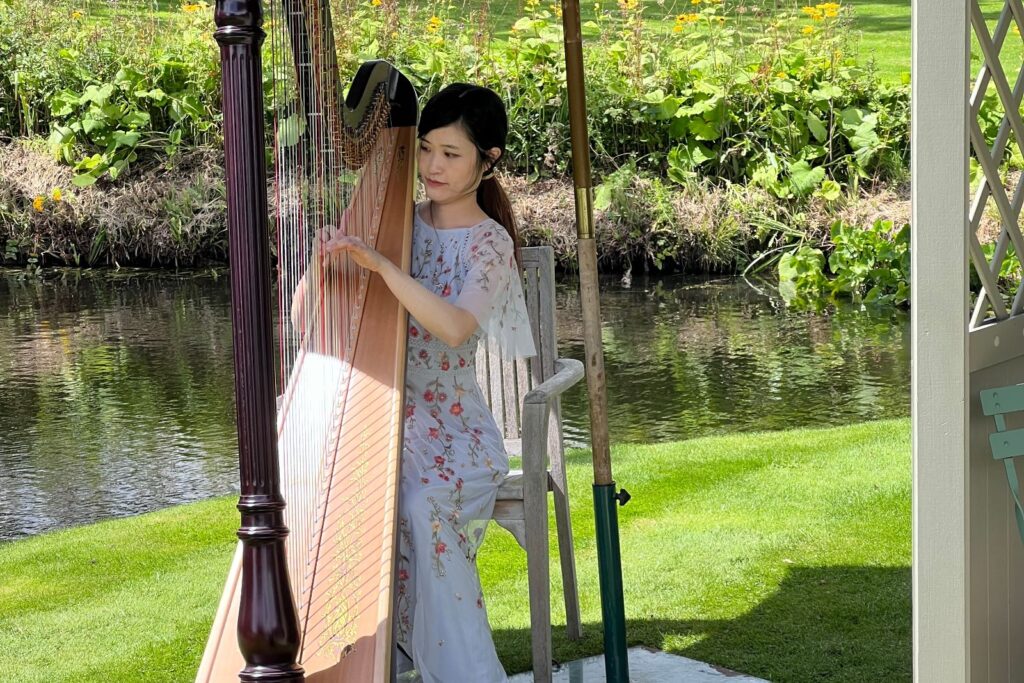
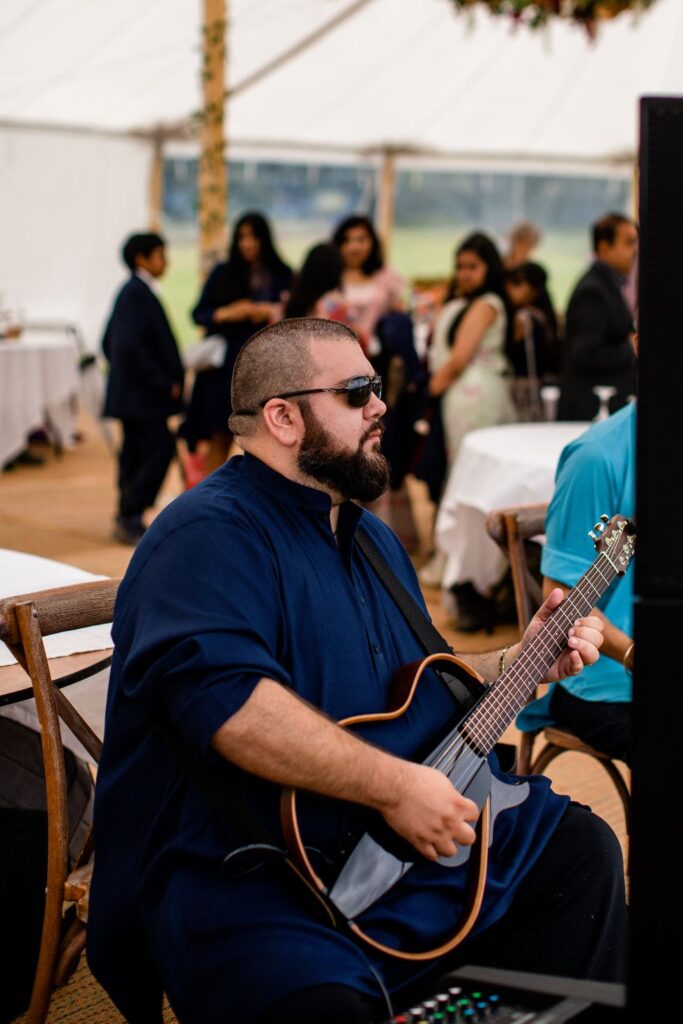
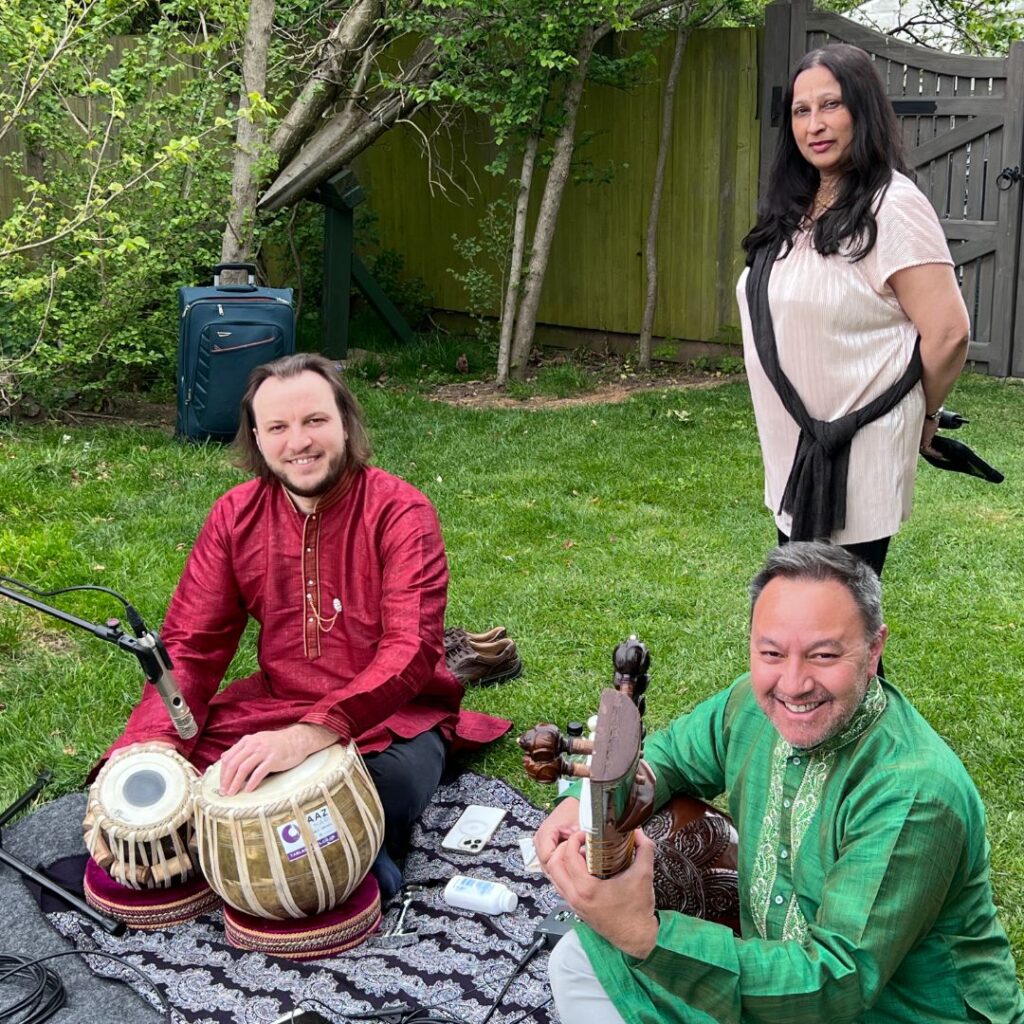
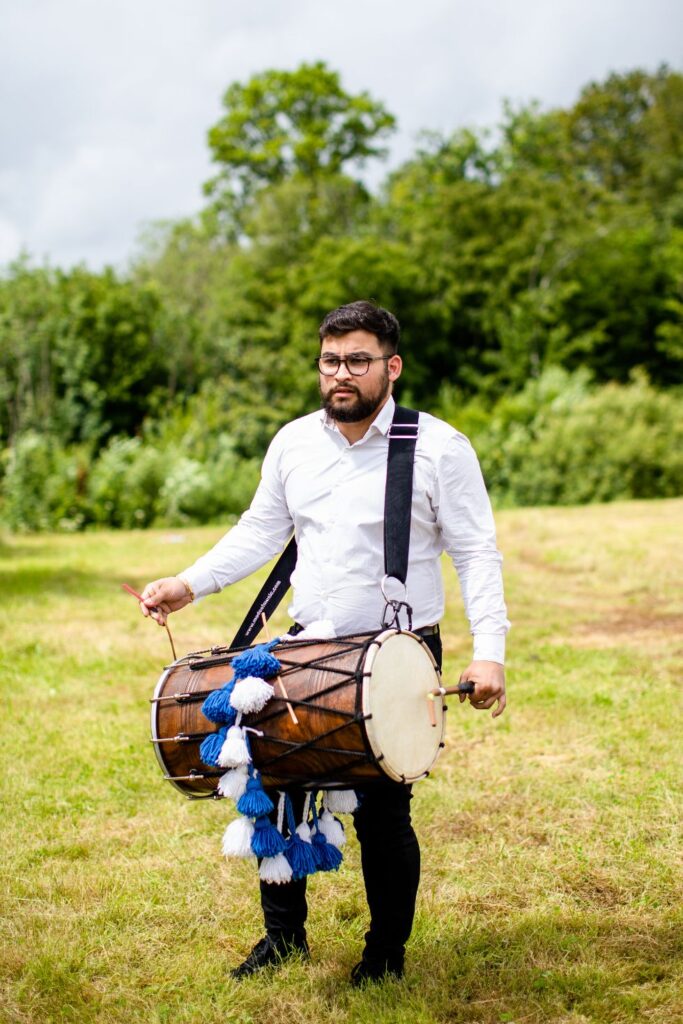
5. Music and Entertainment – Enhancing the Multicultural Celebration
Music and entertainment elevate the atmosphere once the ceremony’s foundations are in place.
For multicultural weddings, this may include:
- Musicians familiar with cultural cues
- Flexible timing around ceremonies
- Sensitivity to language, lyrics and generations
Key considerations:
- Can they adapt to long or complex days?
- Do they understand cultural pacing?
- Are they collaborative with other suppliers?
6. Multicultural Wedding Logistics – Where Everything Comes Together
Logistics are often unseen, yet they underpin everything.
This may include:
- Multiple venues and travel coordination
- Supplier timelines across long days
- Accessibility for elders, children and disabled guests
- Contingency planning
Well-managed logistics reduce stress and allow everyone to be present rather than problem-solving. This is where an experienced wedding planner or wedding co-ordinator is a supplier to consider. They take away all the stress of organising and liaising with suppliers, so you and your guests can have a stress-free ceremony.
Key considerations:
- Who is holding the flow of the day?
- Are timelines realistic and culturally respectful?
- Is there calm, experienced oversight?
Final Thoughts
Indian, multicultural and LGBTQ+ multicultural weddings are not expensive because they are excessive. They cost more because they are layered, inclusive and people-centred. And let’s not forget, everything has gone up in price. Do check how many hours each supplier will work on your wedding ceremony. An example of this is: are they just turning up on the day, or are they spending 30+ hours as a Celebrant does? How far do they have to travel? How long are they with you on the day? Are their insurance policies up to date? What knowledge and experience do they have? If musicians, what training do they have? Does the supplier have videos, photos, or testimonials they can share with you?
Ask these questions to help you make your informed decisions, and then it won’t feel expensive; it will feel worth it to have your wedding ceremony of choice.
By prioritising:
- Venue
- Catering
- Celebrant
- Music & Entertainment
- Logistics
…you create a wedding that honours culture, identity and memory, it’s not just a schedule.
If you are planning an Indian, multicultural or LGBTQ+ multicultural wedding and want a ceremony that feels thoughtful, inclusive and genuinely reflective of who you are, working with an experienced Celebrant can make all the difference.
I create non-templated ceremonies grounded in cultural understanding, professional accreditation and years of experience supporting diverse couples and families across the UK.
You can explore my Celebrant services at sonaldaveevents.com and instagram.com/sonaldave68
Indian, Multicultural and LGBTQ+ Multicultural Wedding Costs FAQs
Why are Indian weddings more expensive in the UK?
Multiple ceremonies, specialist catering, larger guest numbers and extended timelines all contribute to higher costs.
Do inclusive wedding suppliers cost more?
Often, yes. Their pricing reflects training, insurance, cultural expertise, and emotional labour.
When should we book our Celebrant?
After securing the venue and catering, but early enough to find the right celebrant for you, so they can work with you to shape the ceremony meaningfully.


